Printable Desk Plates
Turn up to 60 Latin-script names into prominent full-width desk plates: SemiBold names stay primary while Literacy, Math, Early Learner, and Comprehensive starts add only the relevant learning support.
Customize and preview classroom desk plates
Quick starts
Apply a complete desk plate preset while keeping your current class list.
Desk plate settings
Create local classroom desk plates with optional learning supports.
Demo preview. Add names or choose blank write-in before output.
Desk plates printable preview
Output summary
- Desk plates
- 4
- Pages
- 2
- Paper
- A4 · Landscape
- Finished size
- 277 × 90 mm
- Per page
- 2
- Smallest name
- 60 pt
- Ink style
- Color
Output actions
Output is unavailable until the current configuration has a valid, up-to-date preview.
Create printable desk plates in 3 steps

Add student names
Type, paste, or import a local CSV roster, then include blank spare plates when needed.
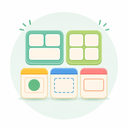
Choose the purpose and groups
Choose learning references or Compact name plates, then optionally create 2–5 stable shape groups. Print sorting never changes membership.
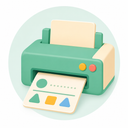
Check dimensions before output
Review the finished millimetre size, page count, cut guides, and smallest name size before printing or downloading the vector PDF.
Five ways to use classroom desk plates

Find your seat
Invite children to match their name to the assigned desk as part of the arrival routine.

Recognize personal names
Give learners a useful, repeated view of their own name in the classroom.

Warm up with name tracing
Use a traceable desk plate for a short name-writing routine before lessons.

Create shape groups
Balance circle, square, triangle, and other stable markers automatically, adjust students individually, or use second-line / CSV group values.

Guide table rotations
Carry shape markers into learning-center or activity-table rotation prompts.
Seating, layout, and printing tips

Protect the class roster
Real names stay only in current page memory and never enter the URL, browser storage, analytics, logs, or PDF metadata.
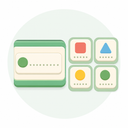
Check layout and physical size first
A4 is 277 × 90 mm Large or 277 × 44.5 mm Compact; US Letter is 259.4 × 90 mm Large or 259.4 × 45.975 mm Compact. Print one page at Actual Size first.

Use shapes as supporting cues
Shape markers can help with groups and location, but they should never replace a clearly readable student name.
Print on sturdy paper
Print at Actual Size and cut on the guides. Laminate only after checking the plate size and text.
A dedicated, reviewable desk-plate workflow
Dedicated desk-plate configuration
Desk Plates keeps its own configuration, preview, output namespace, and tests instead of sharing ordinary name-tag settings.

Clear names and learning supports
Names use a real SemiBold face with adaptive sizing; section dividers, 12 pt alphabet pairs, and 11 pt number labels with major ticks are real vector content.
Check every page before printing
Live preview, browser print, and PDF use the same wide-strip layout with Color, Low ink, or Line art styles.
Useful for these seating needs



Printable desk plate FAQs
What is the difference between 2-up and 4-up desk plates?
Can I print Chinese names today?
How are shape groups assigned?
Are Desk Plates and Name Tags the same tool?
Are student names saved?
Continue preparing classroom materials
Create companion name tags, letter cards, and shape-learning materials.
- Letter Formation CardsFree printable letter formation cards A–Z to help children learn letter shapes, stroke direction, and handwriting order. Customize, preview, and download as PDF.Open tool
- Name Tracing Worksheet GeneratorCreate tracing worksheets from an English name or pinyin for handwriting practice.Open tool
- Letter Tracing Worksheet GeneratorPractice uppercase and lowercase letter formation with printable tracing sheets.Open tool
Set up the room
Create clear desk plates for your class
Add a roster, choose Large learning plates or Compact name plates, and check the finished size and smallest fitted name before printing.