Tracing Worksheets Library
Browse name, letter, number, and English word tracing templates in one organized library. Choose a preset by practice goal, or open a generator for different content.
Ready-to-use templates
Start from a preset instead of a blank setup.
Print-friendly layouts
Preview the practice format before opening it.
Four clear topics
Browse names, letters, numbers, and words.
Home or classroom
Choose a focused sheet for guided practice.

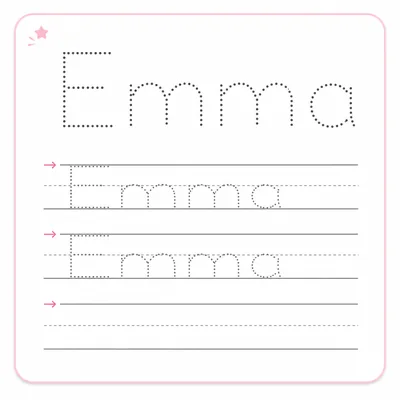
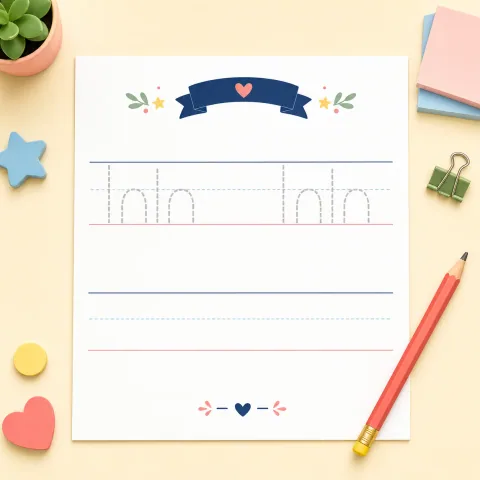
Name Tracing Worksheets
Compare starting-point and full-name templates for names written with A–Z letters.
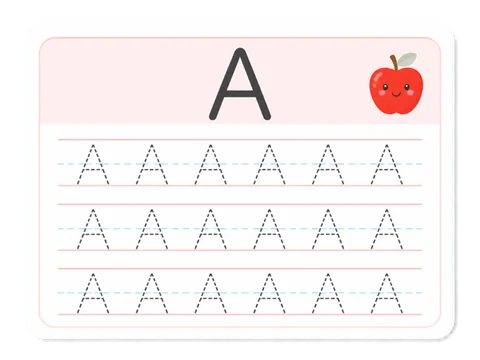
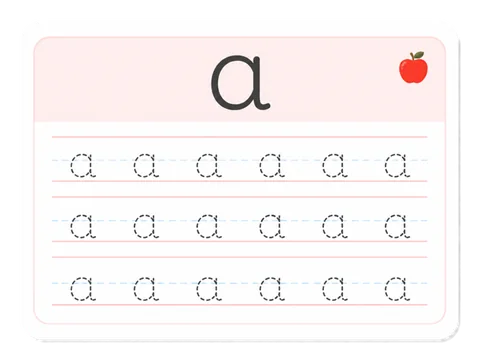
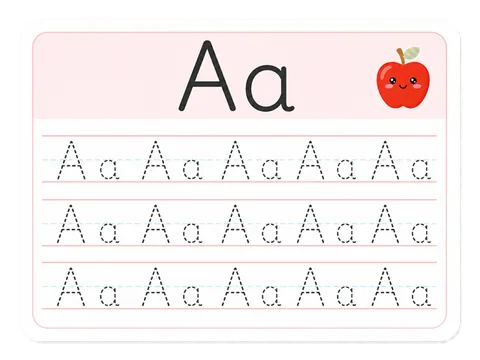
Letter Tracing Worksheets
Compare uppercase, lowercase, and paired forms before moving into connected word practice.
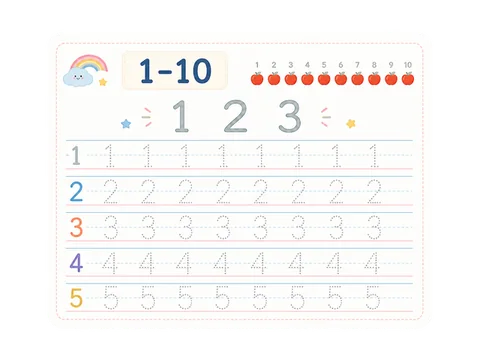
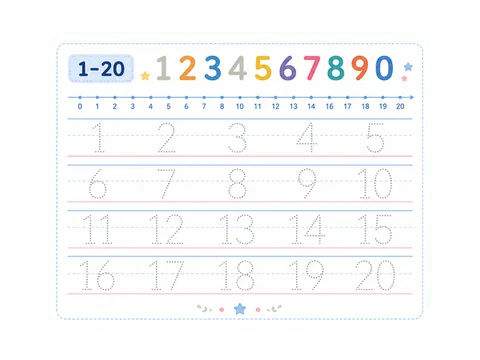
Number Tracing Worksheets
Build a clear sequence from first number symbols to wider ranges and written number words.
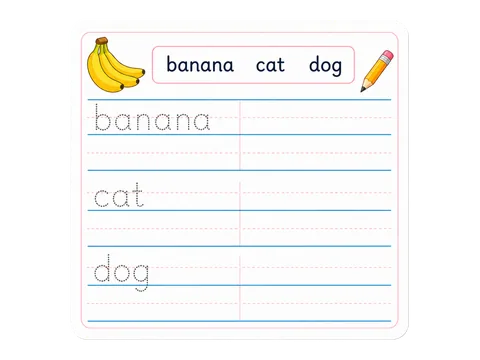
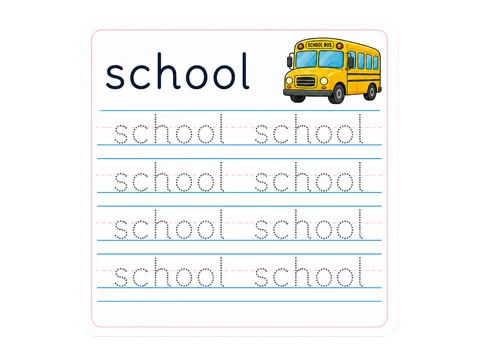
Word Tracing Worksheets
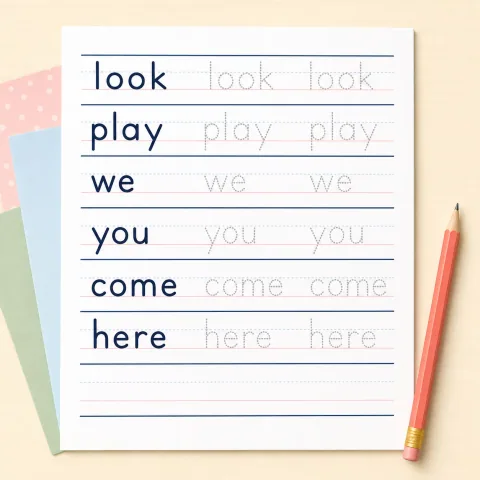
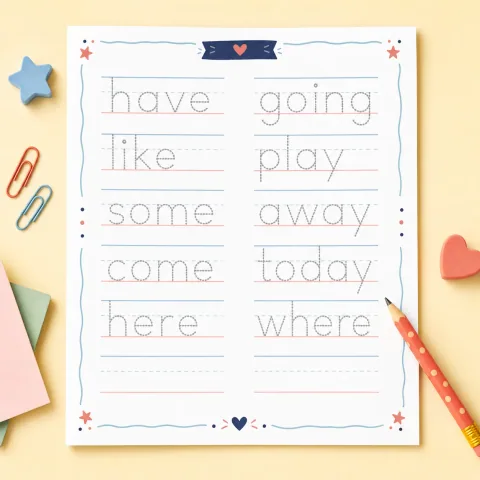
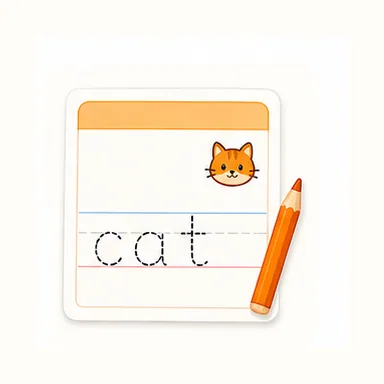
Practice simple words, themed vocabulary, sight-word levels, and trace-then-copy writing.
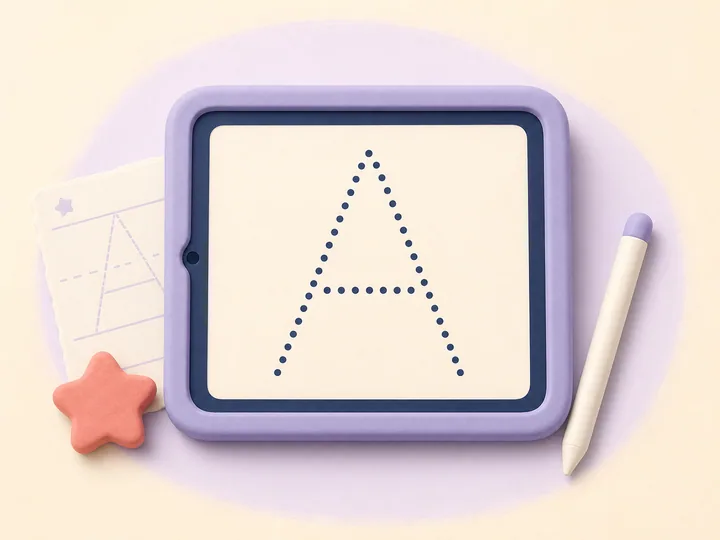
Uppercase Letter Tracing Practice
Trace uppercase letters directly in the browser, then use the printable letter collection alongside screen practice when helpful.
Start letter practiceChoose by practice goal
Use the learner's current writing focus to reach the most relevant worksheet collection quickly.
Practice name writing
Begin with meaningful personal text and adjustable tracing support.
Name Tracing WorksheetsLearn letter writing
Compare uppercase, lowercase, and paired letter forms.
Letter Tracing WorksheetsBuild number writing
Move from first digits into a wider written number range.
Number Tracing WorksheetsStart word practice
Apply letter control to simple and high-frequency words.
Word Tracing Worksheets
Customize a tracing worksheet
Enter an A–Z name, letter, number, or English word, then adjust the font, writing size, guides, page format, and practice layout before printing.
Tracing practice questions
Short answers for choosing a template and moving from guided tracing toward more independent writing.