A good fit when
- Comparing uppercase and lowercase forms of the same letter
- Displaying pairs such as A and a on one worksheet
- Reviewing a custom group of letter pairs
- Classroom or home alphabet handwriting activities
Pair uppercase and lowercase forms side by side. Use the full alphabet or a custom letter set, then adjust the guides, repetitions, and practice mode before printing.
Compare uppercase and lowercase forms side by side in one tracing worksheet.
Use paired practice after the two forms are familiar enough to compare without competing for attention.
Say the capital and lowercase forms together and notice how their shapes are related or different.
Follow the capital first and the lowercase partner next while keeping each on its correct guide lines.
Use trace-and-write for a small selected set when case matching is becoming reliable.
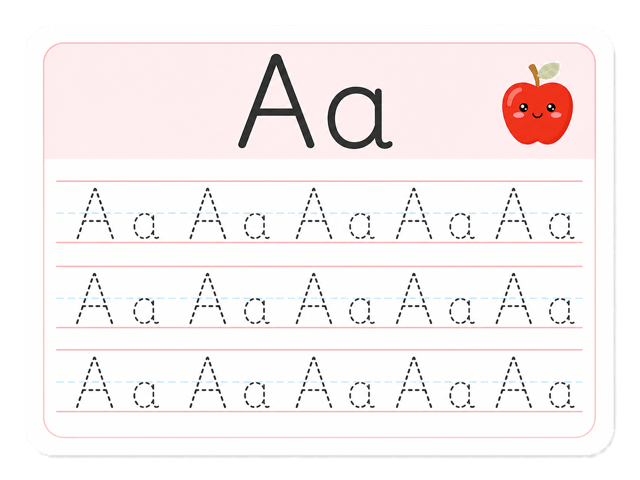
This template pairs all 26 uppercase and lowercase letter forms on the same worksheet.
Choose one letter, a custom set, or a full alphabet mode.
Control how often each selected letter appears.
Guides make letter height and placement visible.
Writing size, rows, orientation, and paper size remain adjustable.
Connect each capital with its lowercase partner.
Notice which paired forms look similar and which change shape.
Place tall capitals and varied lowercase forms on the same guides.
Prepare to choose an appropriate case inside meaningful writing.
Side-by-side models make the two forms available for direct visual comparison while tracing.
Side-by-side forms turn an abstract case rule into a direct shape comparison.
A custom set can isolate only the pairs that are still confused.
Paired writing prepares familiar forms for later use in names and short words.
Use these settings to adjust the worksheet for the current practice.
Use a custom letter set and keep only the current target pairs.
Practice that case by itself before returning to the paired layout.
Increase writing size and lower the repeats for each letter.
Use trace-and-write and reduce repetition before moving into words.
Move forward when case pairs can be matched and written without repeatedly checking which form belongs together.
Trace a small custom set with both forms shown together.
Expand the set and add limited blank writing.
Apply case knowledge in names and simple word tasks.
Separate the two cases again or apply familiar letter forms to a short word task.
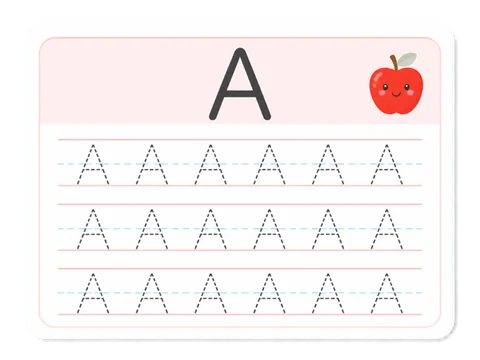
Uppercase foundation
Trace uppercase A–Z or focus on one letter or a custom letter set.
Open template arrow_forward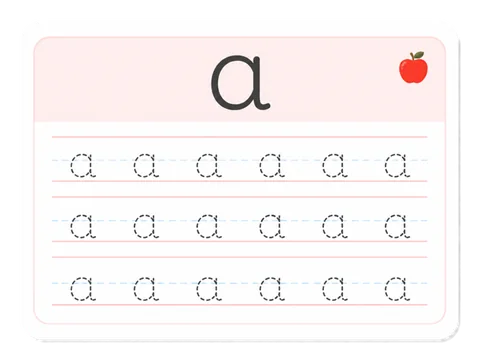
Lowercase practice
Trace lowercase a–z or focus on one letter or a custom letter set.
Open template arrow_forward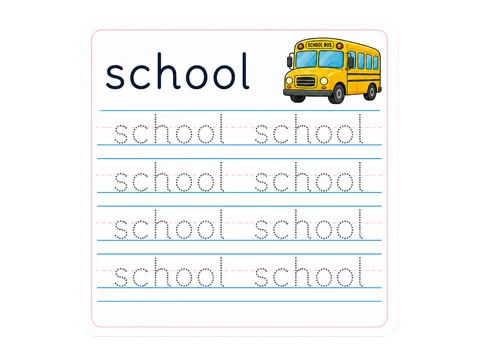
Phonics-friendly words
Trace short English words such as cat, dog, and sun with an editable word list.
Open template arrow_forward