A good fit when
- Combining one tracing model with a copied attempt
- Using fewer guides after the model line
- Homework, take-home practice, or classroom writing stations
- Preparing an editable trace-and-copy word list
Use a tracing model followed by less-guided writing lines. Add English words, then adjust the layout, repetitions, writing size, and practice mode before printing.
Trace each English word from a model, then copy it on a less-guided line.
This format deliberately reduces repetition so the blank line becomes the main bridge toward independent word writing.
Choose a familiar target and inspect its letter order before touching the tracing line.
Follow the complete word once, using the guide as a movement and spacing reference.
Write the same word independently, then compare order, size, and spacing with the model.
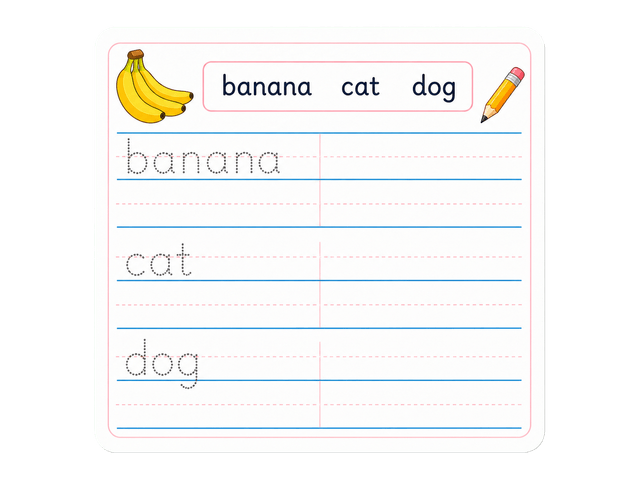
Each word appears in a trace-first format with room for blank writing lines after the guided example.
Keep the preset or replace it with current target words.
Control how often each target word repeats.
Match row layout to word length and writing size.
Writing size, words per page, practice mode, and paper size remain adjustable.
Observe the full target before the traced example is removed.
Carry letter order and form into a nearby independent copy.
Recreate readable spacing without tracing every letter.
Compare the copied word with the visible model after writing.
The tracing model shows the target word, while the following writing line provides a place to copy the same word with less support.
A nearby blank line asks the learner to use, not only follow, the model.
Fewer full models leave meaningful room for independent writing.
The learner can compare sequence, size, and spacing without automated scoring.
Use these settings to adjust the worksheet for the current practice.
Return to trace-only temporarily and increase repetitions for a smaller word list.
Trim the list and lower the words per page.
Use one word per row and increase writing size.
Lower repetitions and use independent writing rows for familiar targets.
Move forward when the copied word remains readable and accurate without needing several traced repetitions first.
Use familiar short words with generous line space.
Reduce repeated tracing and expand the familiar set.
Use independent writing rows after order and spacing stay stable.
Step back to easier short words, practice an entry sight-word set, or apply trace-and-copy to a full name.
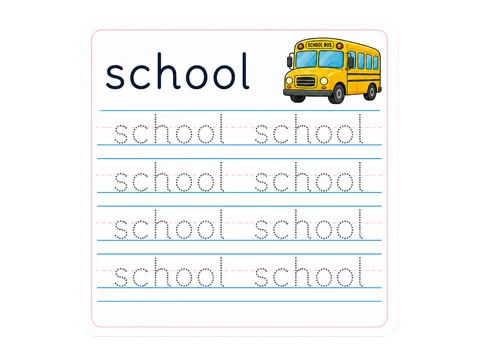
Phonics-friendly words
Trace short English words such as cat, dog, and sun with an editable word list.
Open template arrow_forward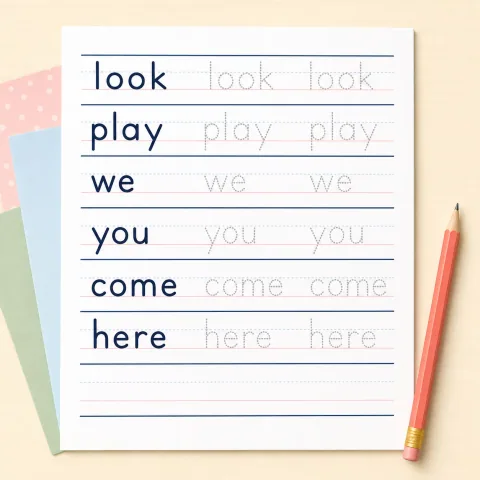
Pre-primer
Start with a focused set of Dolch pre-primer sight words for guided handwriting.
Open template arrow_forward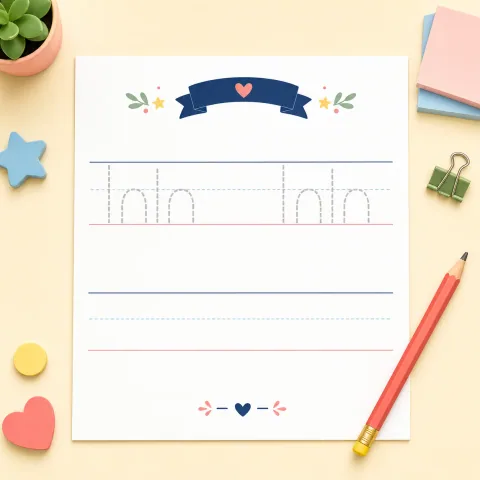
Full-name practice
Practice a first and last name together with adjustable tracing and writing support.
Open template arrow_forward